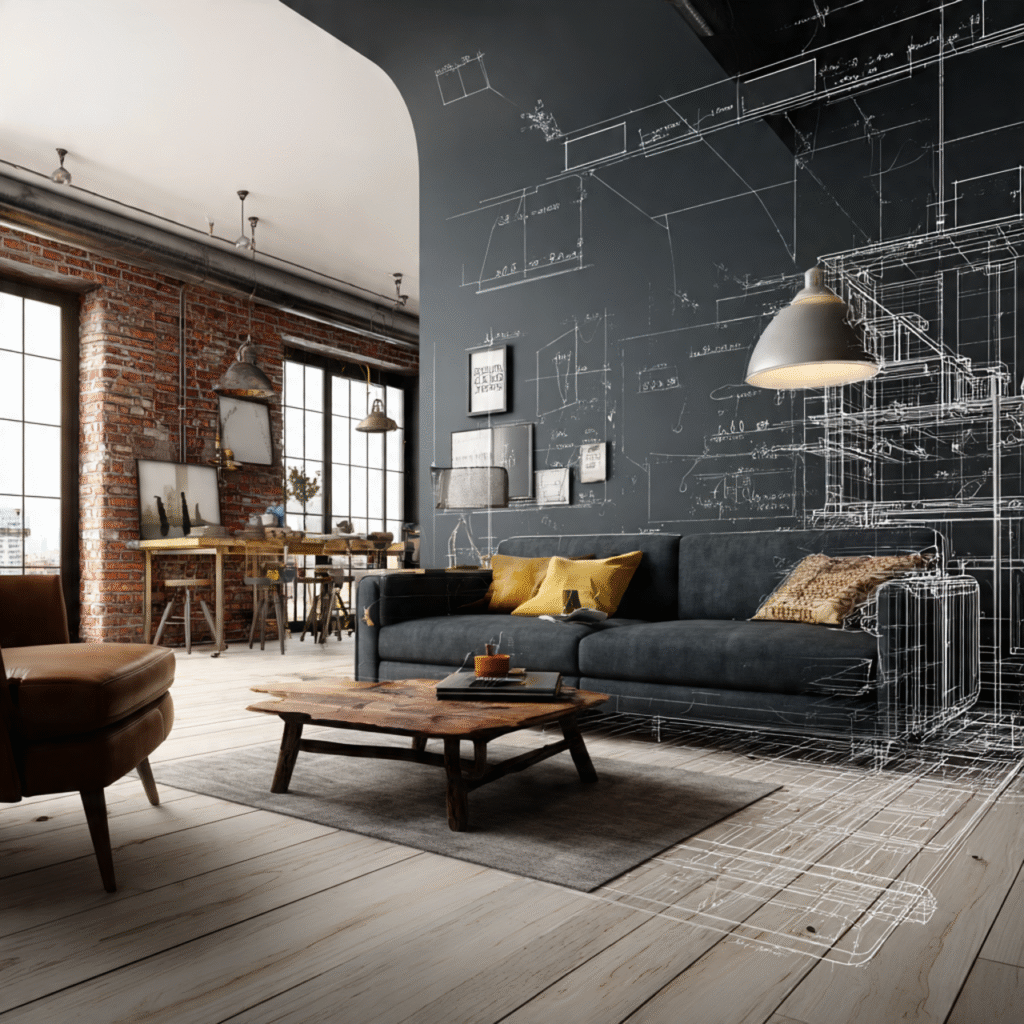
When it comes to home remodeling, the process is often as exciting as it is overwhelming. Homeowners envision new spaces, dream of modern finishes, and imagine how their families will use the remodeled rooms. Yet, despite meticulous planning, many renovation projects face challenges like miscommunication, unexpected costs, or dissatisfaction with the final outcome. The solution to these challenges lies in understanding the psychology of design and leveraging visualization techniques effectively.
Understanding the Psychology of Design
Design is more than aesthetics; it is a form of communication that directly influences human behavior and emotions. Psychology of design examines how people perceive and interact with their environments. Colors, textures, spatial arrangements, lighting, and furniture placement all have subconscious impacts on mood, comfort, and decision-making.
The Role of Cognitive Processing
Humans process visual information far more efficiently than text or numbers. Cognitive psychology suggests that the brain interprets visual cues rapidly, making it easier for individuals to imagine themselves in a space before it exists. This is crucial in remodeling, where understanding the practical and emotional implications of design decisions is essential.
Emotional Connection with Spaces
A well-designed space evokes feelings of safety, comfort, and satisfaction. Homeowners often choose colors, materials, and layouts based on how these elements make them feel. Visualization helps bridge the gap between abstract ideas and tangible outcomes, allowing people to emotionally connect with their future environment before construction begins.
Visualization Techniques in Remodeling
Visualization is the act of creating a clear mental or digital image of the finished space. In remodeling, it serves as both a planning tool and a communication device between homeowners, designers, and contractors.
Hand-Drawn Sketches
Traditional sketches provide a tangible and personalized way to conceptualize a remodel. Designers can quickly illustrate layouts, furniture arrangements, and color schemes. While simple, sketches help homeowners visualize the spatial relationships within a room and encourage collaborative feedback.
3D Modeling
With advances in technology, 3D modeling has revolutionized remodeling. Software programs allow designers to create virtual representations of spaces, complete with textures, lighting, and furniture. Homeowners can navigate these models, viewing rooms from multiple angles, which enhances understanding and reduces uncertainty.
Virtual Reality (VR)
VR offers immersive experiences that are transforming the remodeling industry. Homeowners can virtually “walk through” their future home, testing different layouts and finishes in real time. This sensory experience significantly improves confidence in design choices and minimizes costly mistakes during construction.
Augmented Reality (AR)
AR overlays digital elements onto physical spaces using smartphones or tablets. By pointing a device at an existing room, homeowners can see how new furniture, flooring, or fixtures would look. AR provides immediate visual feedback and empowers users to make informed decisions.
Benefits of Visualization in Remodeling
The application of visualization techniques in remodeling extends beyond aesthetics. It impacts project efficiency, cost management, and overall satisfaction.
Improved Decision Making
Visualization helps homeowners make informed decisions by providing a realistic preview of the final outcome. It reduces guesswork and helps clients understand the scale, proportion, and interaction of design elements. Decisions on color palettes, furniture placement, and lighting become more accurate and confident.
Enhanced Communication
Miscommunication is one of the leading causes of remodeling delays and dissatisfaction. Visualization tools create a common language between homeowners and contractors. When everyone can see the same representation of the project, expectations are aligned, and the likelihood of misunderstandings is minimized.
Cost and Time Efficiency
Changing design elements during construction is costly and time-consuming. Visualization allows potential issues to be identified and corrected before construction begins. This proactive approach minimizes budget overruns, reduces rework, and ensures smoother project execution.
Increased Client Satisfaction
Homeowners who engage with visualization tools feel more connected to the project. They can experiment with options, anticipate challenges, and adjust their preferences. This sense of control enhances satisfaction and ensures the remodeled space aligns with their lifestyle and needs.
Psychological Principles Behind Effective Visualization
Understanding why visualization works requires a look at key psychological principles:
Mental Simulation
The human brain simulates experiences using mental imagery. When homeowners see a visual representation of their remodel, their brains predict how it will feel to inhabit the space. This mental rehearsal informs choices and enhances comfort with the final design.
Visual Anchoring
Anchoring occurs when initial visual information heavily influences decision-making. Presenting homeowners with realistic visualizations early in the design process creates a strong reference point, guiding subsequent choices and preventing indecision.
Emotional Engagement
Visuals evoke emotional responses. Colors, lighting, and textures can trigger feelings of warmth, relaxation, or excitement. When homeowners emotionally engage with a design, they are more likely to invest in quality finishes and commit to decisions.
Implementing Visualization Strategies
To maximize the benefits of visualization in remodeling, consider these strategies:
Start Early in the Design Process
Integrate visualization from the outset. Early sketches or digital models help shape the concept before structural changes are made, ensuring a more coherent design vision.
Incorporate Multiple Perspectives
Use a combination of techniques, such as 3D modeling, VR, and AR. Multiple perspectives allow homeowners to explore design options comprehensively and understand spatial relationships better.
Encourage Interactive Feedback
Invite homeowners to interact with visualizations. Let them experiment with furniture, colors, and layouts. Active participation increases engagement and leads to decisions that better reflect their preferences.
Balance Realism and Creativity
While realistic visuals are essential for accuracy, allow room for creativity. Encourage experimentation with unconventional materials or layouts that could enhance the space’s functionality and aesthetic appeal.
Collaborate with Professionals
Work with experienced designers and contractors who understand both design principles and psychological factors. Their expertise ensures visualizations are accurate, feasible, and aligned with homeowners’ goals.
Case Studies: Visualization in Action
Kitchen Remodel Success
A family planning a kitchen remodel used 3D modeling software to visualize cabinet placement, countertop materials, and appliance layouts. By walking through the virtual kitchen, they identified a workflow issue that would have caused daily inconvenience. Adjustments made before construction saved time, avoided costly changes, and resulted in a kitchen that was both functional and visually appealing.
Bathroom Renovation with VR
In a high-end bathroom renovation, VR allowed the client to experience different tile patterns, lighting setups, and vanity placements. The immersive experience gave them confidence in choosing finishes and ensured alignment with their aesthetic vision. Post-renovation feedback highlighted complete satisfaction and appreciation for the visualization process.
Living Room Upgrade Using AR
A couple used AR to overlay potential furniture arrangements in their living room. By testing different seating options and lighting placements virtually, they made decisions quickly and avoided the trial-and-error process of moving heavy furniture. The result was a cohesive, stylish, and functional living space.
The Future of Design Visualization
As technology continues to evolve, visualization in remodeling will become even more sophisticated:
- AI-Powered Design Recommendations: Artificial intelligence can suggest design options based on preferences, space dimensions, and lifestyle, making the planning process faster and more personalized.
- Real-Time Collaboration: Cloud-based platforms will allow homeowners, designers, and contractors to collaborate on visualizations simultaneously, even from remote locations.
- Integration with Smart Homes: Visualization tools will link with smart home systems, enabling users to see not just aesthetics but also functional elements like lighting automation, climate control, and energy efficiency.
Conclusion
The psychology of design reveals that humans are deeply influenced by the spaces they inhabit. Visualization transforms remodeling from a process fraught with uncertainty into an engaging, efficient, and satisfying experience. By leveraging sketches, 3D modeling, VR, and AR, homeowners can make informed decisions, communicate effectively with professionals, and achieve spaces that resonate emotionally and functionally.
Investing in visualization is more than just seeing the final product—it’s about anticipating challenges, enhancing creativity, and connecting emotionally with the home. As technology advances, these tools will become increasingly essential in creating living spaces that are not only beautiful but also aligned with human psychology and lifestyle needs. Remodeling is no longer just construction; it is an art and science shaped by the power of visualization.