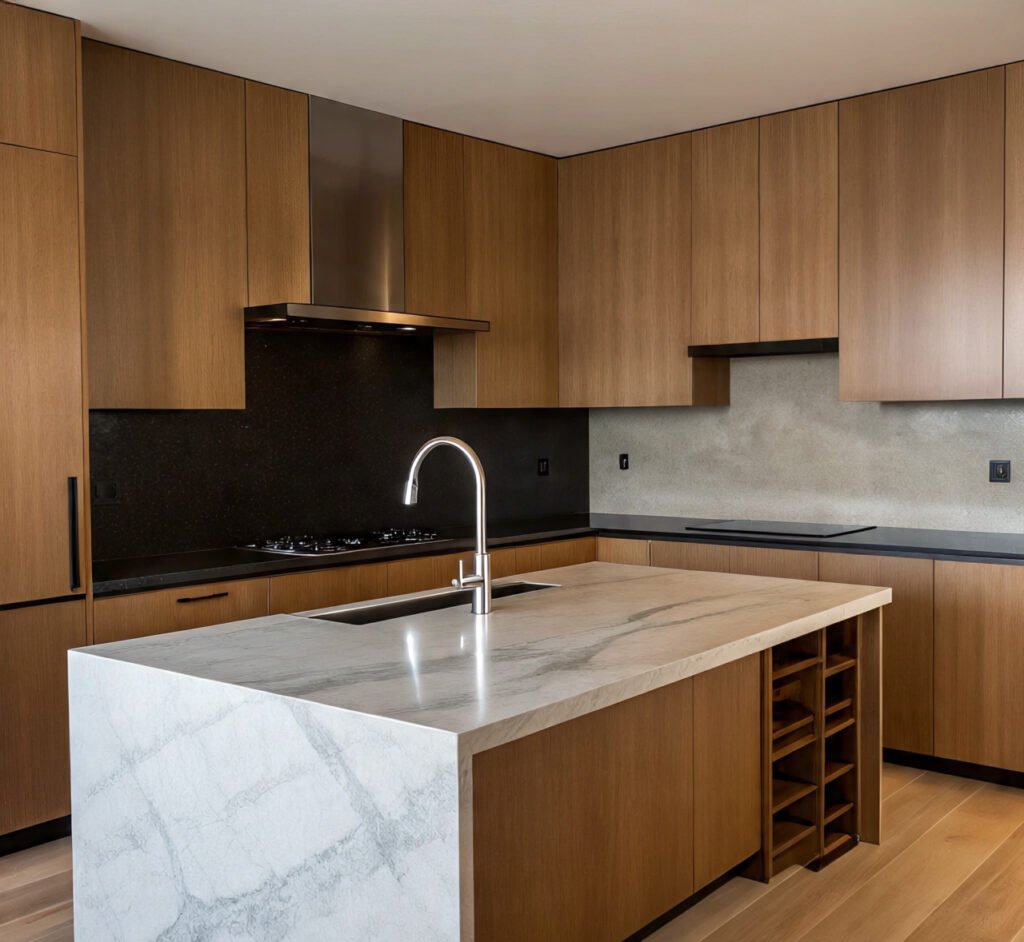
In modern home design, the kitchen is more than just a space for cooking — it’s a hub of functionality, innovation, and sustainability. With increasing awareness about environmental conservation and rising utility costs, homeowners are seeking smarter ways to reduce water and energy consumption without compromising performance or style. The right kitchen fixtures can make a significant difference, blending efficiency with aesthetics.
Here are 10 must-have kitchen fixtures that not only enhance your cooking experience but also help conserve precious resources for a greener tomorrow.
1. Low-Flow Faucets
One of the simplest yet most effective upgrades is a low-flow kitchen faucet. These faucets are designed to limit water flow without sacrificing pressure, typically using aerators that mix air into the stream to maintain a strong flow.
Benefits:
- Reduces water usage by up to 60%.
- Lowers both water and energy bills (less hot water used).
- Easy to install on most existing sink setups.
Modern low-flow faucets also come with motion sensors, allowing hands-free operation — perfect for busy kitchens and maintaining hygiene while minimizing water waste.
2. Touchless or Sensor Faucets
Touchless faucets are not only convenient but also incredibly efficient. They use motion sensors to detect your hand’s presence, releasing water only when needed and automatically shutting off when you move away.
Why It’s a Must-Have:
- Eliminates accidental water flow when multitasking.
- Reduces cross-contamination while cooking.
- Significantly cuts down unnecessary water usage.
This technology is especially helpful in homes with children, as it encourages responsible water use while keeping the kitchen cleaner and more hygienic.
3. Dual-Function Spray Heads
Modern kitchens often feature faucets with dual-function spray heads – allowing users to switch between a steady stream and a spray mode. This functionality improves cleaning efficiency and reduces water waste by targeting specific areas.
Key Advantages:
- Provides control over water direction and pressure.
- Saves time and water while rinsing fruits, vegetables, or dishes.
- Compatible with water-saving faucet models for added sustainability.
Dual-spray faucets also come in designs that integrate magnetic docking, ensuring smooth usability and long-lasting performance.
4. Energy-Efficient Dishwashers
Dishwashers have come a long way in the last decade, evolving into some of the most water- and energy-efficient kitchen appliances. ENERGY STAR-certified dishwashers consume as little as 3 gallons of water per cycle – significantly less than handwashing, which can use up to 27 gallons.
Benefits:
- Uses less water and energy than manual washing.
- Built-in sensors detect soil levels to optimize water and heat usage.
- Quieter operation and better cleaning performance.
Modern models even feature eco-cycles that wash dishes efficiently at lower temperatures, extending the lifespan of delicate cookware while saving energy.
5. Smart Kitchen Faucets
Smart kitchen faucets take water management to a new level. Controlled via apps or voice assistants like Alexa or Google Home, they allow precise measurements – for example, dispensing exactly one cup or one liter of water on command.
Why You’ll Love It:
- Eliminates overuse by controlling water volume and duration.
- Tracks water usage data through connected apps.
- Integrates with smart home systems for total convenience.
By combining automation with efficiency, smart faucets ensure you use only what’s needed, reducing both waste and effort.
6. Water Filtration Systems
Installing a built-in water filtration system not only improves the taste and quality of your water but also reduces the environmental impact of bottled water consumption. These systems are designed to filter out chlorine, lead, and other contaminants directly at the faucet or under the sink.
Benefits:
- Provides clean, safe drinking water instantly.
- Reduces plastic waste and reliance on bottled water.
- Many models include eco-friendly cartridges with long life spans.
Paired with low-flow technology, filtration systems can deliver pure, refreshing water efficiently and sustainably.
7. LED Task Lighting
While not directly a water fixture, LED lighting plays a critical role in overall kitchen energy efficiency. LEDs consume up to 80% less energy than traditional bulbs and last significantly longer.
Why It Matters:
- Provides brighter, focused lighting for cooking and cleaning tasks.
- Reduces energy consumption and replacement costs.
- Available in various temperature tones to enhance ambiance.
Installing LED strip lights under cabinets or pendant lights over islands can elevate the aesthetic appeal of your kitchen while reducing electricity bills.
8. Energy-Efficient Water Heaters
Water heating accounts for nearly 18% of a home’s energy use. Upgrading to an energy-efficient water heater, such as a tankless or hybrid model, can drastically reduce energy consumption.
Benefits:
- Heats water on demand, eliminating standby energy loss.
- Provides endless hot water while using less energy overall.
- Compact design saves valuable kitchen or utility space.
Pairing a tankless heater with low-flow fixtures maximizes savings and ensures optimal performance throughout your kitchen.
9. Greywater Recycling Systems
Greywater systems capture lightly used water from sinks and dishwashers and recycle it for non-drinking purposes such as plant watering or flushing toilets. Though more common in sustainable homes, these systems are gaining traction in urban settings focused on conservation.
Key Advantages:
- Reduces household water consumption by up to 40%.
- Minimizes strain on municipal water systems.
- Supports sustainable living through resource reuse.
While installation requires professional expertise, the long-term environmental and cost benefits make it a smart investment for eco-conscious homeowners.
10. Composting Garbage Disposals
Traditional garbage disposals use significant amounts of water to flush waste through plumbing systems. In contrast, modern composting disposals or smart waste systems convert organic kitchen waste into compost with minimal water usage.
Why It’s Sustainable:
- Reduces food waste and water consumption.
- Creates nutrient-rich compost for gardening.
- Lowers strain on drainage and sewage systems.
These eco-friendly alternatives align with zero-waste principles and complement other water- and energy-saving fixtures in a green kitchen.
Bonus Tip: Smart Home Integration
For homeowners serious about sustainability, integrating all water- and energy-saving fixtures into a smart home ecosystem can elevate efficiency even further. Using sensors, data tracking, and automation, these systems monitor consumption patterns and provide actionable insights.
Examples:
- Leak detection sensors that alert you instantly to water wastage.
- Smart plugs to cut power supply to unused kitchen devices.
- Voice-activated systems to control lighting and faucets effortlessly.
The more connected your fixtures are, the more control you gain over your energy and water consumption, resulting in substantial savings over time.
Designing for Efficiency: Key Considerations
While choosing eco-friendly fixtures is important, design and placement play an equally vital role in achieving true sustainability.
Layout Efficiency
Keep the sink, dishwasher, and refrigerator within a functional triangle to minimize movement and energy waste.
Material Selection
Opt for sustainable materials such as bamboo, recycled glass, or stainless steel for countertops and fixtures – durable and eco-conscious choices that reduce replacement frequency.
Maintenance
Regular maintenance, such as cleaning aerators, checking for leaks, and updating seals, ensures that even the best fixtures continue performing efficiently.
Long-Term Savings
While energy-efficient and water-saving fixtures may cost more initially, they pay for themselves through reduced utility bills and increased property value.
The Impact of Sustainable Kitchens
The kitchen’s environmental footprint often goes unnoticed, but its impact is profound. According to the U.S. Environmental Protection Agency (EPA), kitchen water use accounts for nearly 15% of total household consumption, while appliances and lighting significantly contribute to energy use.
By installing the right fixtures and adopting smarter habits, homeowners can:
- Save thousands of gallons of water annually.
- Reduce monthly energy costs by 20–40%.
- Lower carbon footprint while promoting sustainable living.
These changes not only benefit the planet but also enhance everyday convenience and comfort.
Conclusion
Building an energy- and water-efficient kitchen doesn’t mean sacrificing style or performance. The ten fixtures highlighted – from low-flow faucets and energy-efficient dishwashers to LED lighting and smart waste systems – prove that sustainability can seamlessly integrate into modern design.
Each fixture contributes to a greener kitchen, lowering environmental impact and operational costs. As technology continues to evolve, homeowners can expect even more innovative solutions that blend aesthetics, efficiency, and intelligence.
Upgrading to sustainable kitchen fixtures is more than a design choice – it’s an investment in the future. Whether you’re renovating or building new, incorporating these must-have fixtures ensures your kitchen becomes a model of eco-conscious living, balancing comfort, conservation, and innovation.