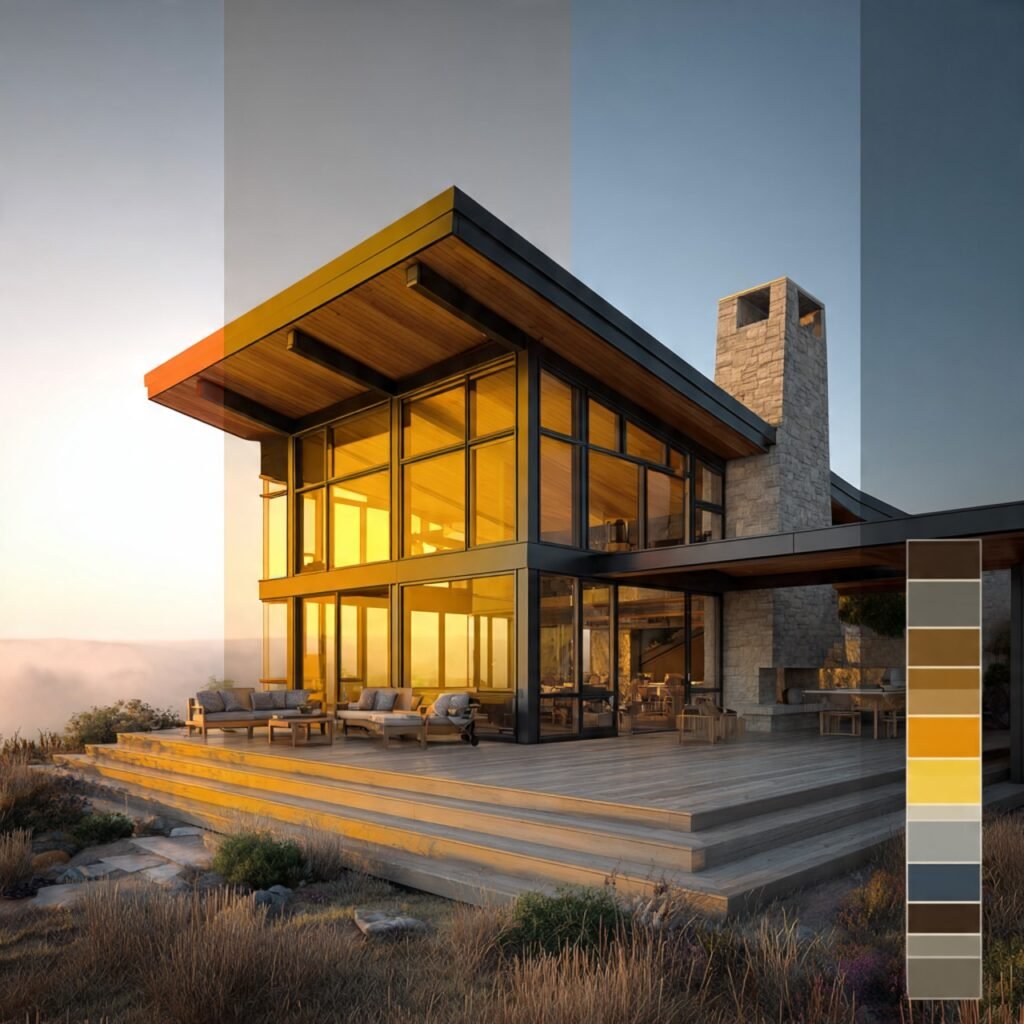
Creating an inviting outdoor space is no longer a luxury reserved for large backyards or resort-style homes. Whether it’s a compact balcony, a modest patio, or a sprawling garden, thoughtful design choices can dramatically transform any outdoor area into a functional, stylish extension of your living space. Modern homeowners are increasingly seeking ways to elevate their exteriors for relaxation, entertainment, and visual appeal. From simple styling tricks to smart upgrades, outdoor makeovers are achievable even with minimal investment when approached strategically.
The key to a successful patio or garden transformation lies in understanding how layout, texture, lighting, and greenery interact to shape ambiance. Unlike indoor design where walls and ceilings define structure, outdoor spaces rely on flow and zoning. By segmenting the area for different purposes such as lounging, dining, or planting, even a small space can look expansive and purpose-built. Layering furniture with textiles, incorporating vertical design features, and playing with surfaces like gravel, stone, or decking can instantly add depth and sophistication.
One of the most practical design hacks is to start with flooring. Many patios or garden corners look unfinished simply because the ground surface is inconsistent or bare. Installing wooden decking tiles or weather-resistant composite floors is an affordable way to set a base for further design elements. For renters or budget-conscious renovators, interlocking deck tiles, patterned outdoor rugs, or even neatly arranged pavers can create boundaries without permanent changes. Once the flooring defines the space, furniture placement becomes significantly easier.
Furniture selection dictates functionality. Low-profile seating like lounge chairs, wooden benches, or modular sofas work well for patios designed for relaxation. Foldable tables or wall-hung counters are perfect for compact spaces, while suspended seating such as hammocks or swing chairs add a sense of leisure. The trick is to select materials that withstand weather conditions without demanding excessive maintenance. Powder-coated metal, solid teak, plastic wicker, or concrete furniture blends durability with aesthetics.
Soft furnishings play a crucial role in elevating outdoor comfort. Cushions, throws, and weatherproof fabrics introduce color and personality. Patterns inspired by Mediterranean tiles, nautical stripes, or earthy neutrals can define mood instantly. To maintain continuity, selecting a palette that complements the home’s architecture ensures harmony between indoors and outdoors.
Greenery is the heart of any garden or patio makeover. However, instead of scattering plants randomly, a structured approach yields more impact. Combining tall planters with low ground pots, trailing vines, and statement trees creates depth and visual layering. Vertical gardening is one of the most effective hacks for limited spaces. Wall-mounted planters, trellis-backed climbers, or modular pocket gardens transform plain walls into lush backdrops. Hardy species like bamboo, ferns, jasmine, snake plants, or succulents are low-maintenance yet visually striking. Raised garden beds built from wooden crates or metal frames can double as seating perimeters or dividers.
Lighting is another design element often underestimated in outdoor transformations. A space that looks ordinary by day can look magical after sunset if illuminated strategically. The technique lies in mixing ambient, task, and accent lighting. String lights draped overhead provide a soft glow ideal for evening gatherings. Solar-powered lanterns placed along pathways or plant borders offer eco-friendly visibility. Spotlights directed at trees or sculptures highlight focal points, while LED strip lighting under seating or steps adds a modern edge. Warm-toned lighting is generally more inviting than stark white, especially for residential settings.
Zoning the space enhances usability. Even in small patios, defining different areas using rugs, plants, or lighting boundaries creates a sense of organization. A corner with floor cushions and lanterns can serve as a reading nook, while a central space with a fire pit or coffee table becomes a social hub. Outdoor kitchens or bar counters, even in minimal form like a tabletop grill and storage cabinet, cater to entertaining needs. Water features such as compact fountains or ceramic bowls with recirculating pumps add serenity through sound and motion, making the garden feel like a retreat.
For those seeking a modern aesthetic, minimalism combined with structured greenery works well. Smooth concrete surfaces, monochrome furniture, and geometric planters offer a clean and contemporary feel. On the other hand, rustic charm can be achieved with wooden crates, vintage lanterns, terracotta pots, and distressed metal accents. Mediterranean-style patios favor patterned tiles, whitewashed walls, and colorful ceramics, while tropical-themed layouts rely on broad-leaf plants, bamboo furniture, and vibrant textiles.
Privacy is another essential aspect, especially for urban homes with close neighbors. Instead of building solid walls, creative screens offer both aesthetics and function. Bamboo fencing, lattice panels with climbing plants, or fabric canopies block unwanted views without appearing intrusive. Pergolas fitted with drapes or retractable shades provide overhead coverage while adding architectural depth. Even tall potted trees or hedge walls can form natural partitions.
Weather resistance is a critical consideration in all outdoor makeovers. Waterproof storage solutions like benches with concealed compartments or wall-mounted cabinets keep cushions, tools, and decor safe during rain. Protective covers for furniture prolong longevity, while anti-rust coatings or sealants maintain finishes. Drainage should not be overlooked; gravel layers or sloped surfaces ensure water does not accumulate around foundations or seating areas.
Accessorizing completes the transformation. Outdoor-friendly decor such as ceramic stools, clay figurines, wind chimes, or metal sculptures personalizes the space. Functional elements can double as decor. A wooden ladder becomes a plant stand; an old bicycle painted in bright colors serves as a planter display. Tabletop decor like stone bowls filled with pebbles, candles in hurricane jars, or herb pots adds charm without clutter.
If the garden is large enough, pathways can elevate structure. Stone pavers surrounded by grass, gravel trails lined with solar lamps, or mosaic stepping stones add direction and elegance. Edging around plant beds using bricks or metal strips prevents overgrowth and enhances definition. Mulch not only retains moisture but also creates a polished soil finish.
Sustainability is becoming a priority in outdoor design. Using recycled materials, rainwater harvesting systems, compost bins, and native plants reduces environmental impact while maintaining beauty. Solar-powered lighting, drip irrigation lines, and motion-sensor water fountains conserve energy and water. Upcycling is a creative approach; wooden pallets can be converted into sofas or planters, old tires painted and stacked become stools or borders, and glass bottles can form colorful garden edges.
Another powerful design strategy is introducing height variation. Most novice setups remain at ground level, making the space look flat. Incorporating raised decks, tiered plant stands, hanging planters, or layered shelves adds multi-dimensional appeal. Even small tiered tables or tree stumps can display plants or decor at different levels.
For longevity, outdoor spaces should be designed for all seasons. In summer, shade solutions like umbrellas, pergolas, or shade sails offer comfort. During colder months, portable heaters, fire bowls, or blankets encourage outdoor use. Lightweight furniture ease seasonal rearrangement. Plants can be rotated according to weather; tropical varieties thrive in monsoon while flowering perennials bloom in spring.
Maintenance is simplified by choosing resilient surfaces and self-watering systems. Gravel beds around plants reduce weed growth. Synthetic grass offers greenery without mowing. Raised beds allow easy pruning. Battery-powered trimmers and solar sprayers make garden care efficient.
If the patio connects to indoor areas through glass doors or open walkways, continuity in design enhances flow. Using similar color palettes, patterns, or flooring materials blurs boundaries and visually enlarges both spaces. Outdoor curtains, sliding partitions, or folding glass walls enhance flexibility while maintaining openness.
Music can enhance ambiance further. Weatherproof Bluetooth speakers disguised as rocks or planters provide background sound without visible clutter. A curated playlist matching the mood—calm for morning tea, lively for evening gatherings-completes sensory experience.
One often-overlooked hack is the use of mirrors outdoors. Strategically placed reflective surfaces expand visual space and amplify light. Mirrored wall panels, upcycled window frames with mirrored glass, or polished metal sheets create illusion of depth.
Gardens with sloped terrain can use retaining walls or terraced seating to maximize function. Built-in seating along boundaries saves space while defining structure. Stone or brick benches topped with cushions integrate seamlessly with landscaping. Planters built into seating backs provide greenery at eye level.
Children’s play areas can be integrated without disrupting aesthetic. A sand pit camouflaged with wooden lids doubles as a seating platform. Chalkboard walls, climbing ropes, or tree swings add charm while keeping safety in mind.
Pets can also be accommodated. Artificial turf zones, pet-friendly plants, and shaded rest spots ensure comfort without damaging decor. Water bowls embedded into ground tiles or feeding stations built into benches blend practicality with design.
Ultimately, outdoor makeovers are about personalization. Instead of replicating catalog designs, observing how space is used helps determine layout. Morning tea corners, yoga decks, reading nooks, barbecue stations, or meditation zones can coexist with thoughtful planning. The goal is to build an area that feels like an extension of lifestyle rather than a staged setting.
With the right approach, any patio or garden can become a sanctuary. Whether through structural upgrades or simple decor tweaks, outdoor spaces have immense potential to improve daily living. A well-designed exterior not only boosts property value but also enhances well-being, offering a retreat from digital distractions and daily stress. Nature, comfort, and creativity combined with practical design hacks can turn even the smallest outdoor space into a vibrant and functional haven.