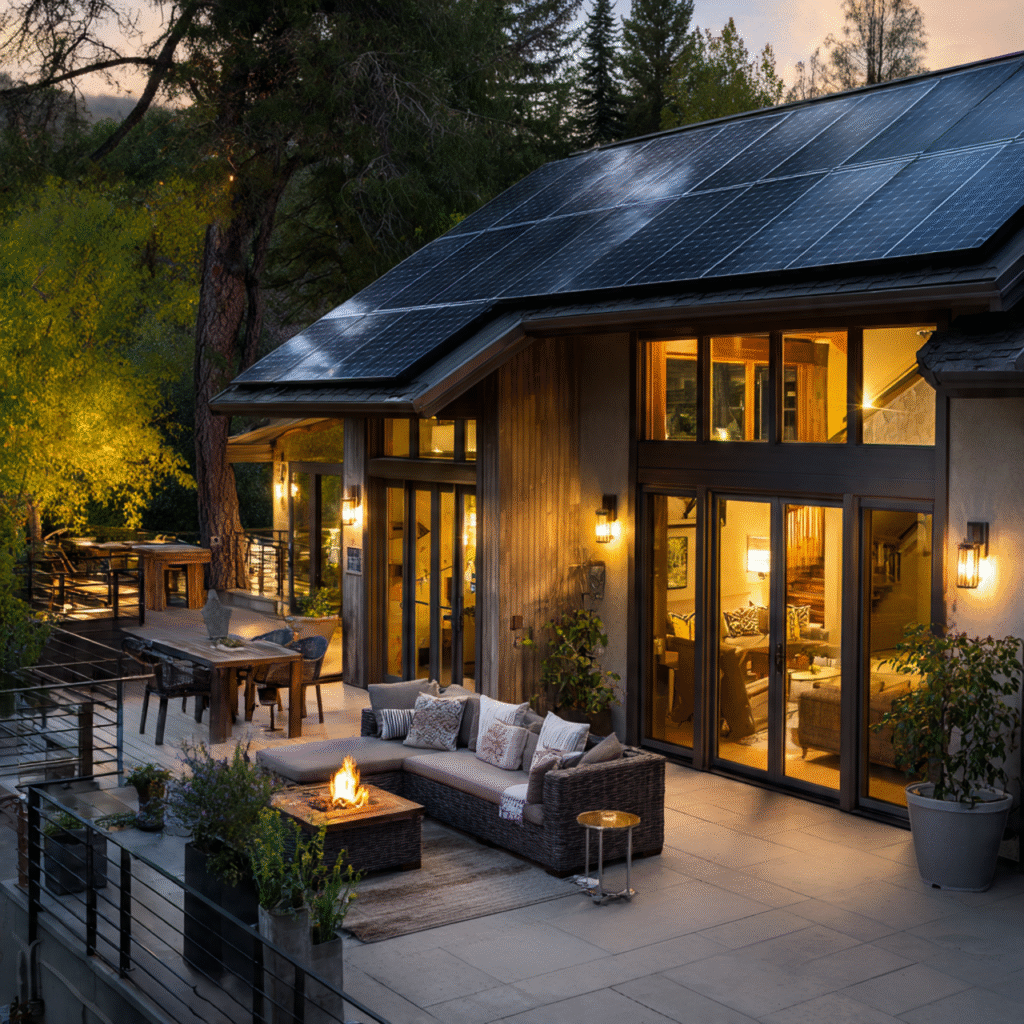
As the world becomes increasingly conscious of climate change and environmental responsibility, sustainable living has moved from being a trend to a necessity. Homeowners today are looking for ways to reduce their ecological footprint, conserve natural resources, and create healthier spaces for their families. While indoor sustainability—such as energy-efficient appliances and eco-friendly flooring—has gained widespread attention, outdoor spaces also offer a tremendous opportunity to integrate green practices. From gardens and patios to water systems and lighting, eco-friendly outdoor upgrades can transform an ordinary home into a sustainable sanctuary. These upgrades not only contribute to environmental preservation but also increase property value, reduce utility costs, and create spaces that inspire well-being.
This blog explores practical, educational, and innovative outdoor upgrades that every homeowner can consider for building a sustainable future.
Why Eco-Friendly Outdoor Upgrades Matter
Outdoor areas are more than just extensions of a house—they are ecosystems that interact with nature. Sustainable outdoor design reduces water and energy consumption, minimizes waste, supports biodiversity, and ensures that resources are used responsibly. Traditional landscaping and outdoor construction often rely on water-intensive lawns, chemical fertilizers, and resource-heavy materials that harm both the environment and household finances. By making eco-friendly choices, homeowners can significantly reduce their carbon footprint, improve efficiency, and create a landscape that thrives naturally. Moreover, sustainability enhances the health of the occupants, as chemical-free gardens, clean energy solutions, and green materials contribute to safer living environments.
1. Sustainable Landscaping and Native Planting
One of the most effective ways to promote sustainability outdoors is through landscaping. Traditional lawns consume large amounts of water and often rely on synthetic fertilizers and pesticides. Replacing them with native plants is a smart eco-friendly choice. Native species are adapted to local climates, require minimal irrigation, and attract beneficial pollinators such as bees and butterflies.
Xeriscaping, a landscaping method that reduces or eliminates the need for supplemental water, is another powerful approach. By using drought-tolerant plants, mulch, and efficient irrigation systems, homeowners can maintain beautiful gardens while conserving water. Adding ground cover plants instead of grass reduces mowing needs, lowers fuel usage, and saves time.
Vertical gardens and green walls can also be integrated into small yards or patios. They improve air quality, add insulation to exterior walls, and create a visually appealing green space.
2. Rainwater Harvesting Systems
Freshwater is one of the most critical resources under pressure due to global demand. Outdoor spaces consume significant amounts of water, particularly in lawn irrigation and garden maintenance. Installing a rainwater harvesting system is an excellent solution. These systems collect rainwater from rooftops and store it in tanks or barrels for later use in irrigation, washing vehicles, or even flushing toilets when integrated into household plumbing.
Rain barrels are a simple and affordable starting point, while advanced underground storage systems provide larger capacity for bigger properties. Combined with drip irrigation systems, harvested rainwater can sustain gardens efficiently without reliance on municipal water supplies.
3. Solar-Powered Outdoor Lighting
Outdoor lighting enhances safety, security, and aesthetics, but traditional lighting consumes significant electricity. Replacing old fixtures with solar-powered alternatives is a cost-effective and eco-friendly upgrade. Solar lights charge during the day and illuminate pathways, patios, and gardens at night without adding to utility bills.
For homeowners seeking more advanced solutions, smart solar lighting systems with motion sensors and timers provide convenience and maximize energy savings. These systems reduce light pollution and can be customized for ambiance. In addition to solar fixtures, choosing LED bulbs for any remaining traditional lighting significantly cuts energy consumption compared to incandescent or halogen bulbs.
4. Eco-Friendly Hardscaping Materials
Patios, walkways, and driveways are often constructed with materials that have high environmental costs, such as concrete or non-recyclable pavers. Sustainable alternatives include permeable pavers, reclaimed stone, recycled bricks, and sustainably sourced wood.
Permeable surfaces are particularly beneficial because they allow rainwater to seep into the soil instead of contributing to stormwater runoff, which often carries pollutants into local waterways. Bamboo, a rapidly renewable resource, can be used for fencing, decking, or pergolas, offering durability and a natural aesthetic.
For homeowners looking to renovate, choosing locally sourced materials reduces transportation emissions and supports local businesses, further adding to sustainability goals.
5. Green Roofing and Living Walls
Green roofs—rooftops covered with vegetation—provide insulation, reduce stormwater runoff, and help regulate urban heat. While they are more common in commercial buildings, many modern sustainable homes are adopting smaller-scale green roofing solutions for sheds, garages, or even residential houses.
Living walls, which incorporate plants into vertical surfaces, also serve as natural insulators and improve air quality. These features not only enhance energy efficiency but also promote biodiversity by providing habitats for birds and insects.
6. Water-Efficient Irrigation Systems
Traditional sprinkler systems waste large amounts of water through evaporation and runoff. Eco-friendly upgrades include drip irrigation and smart irrigation systems. Drip irrigation delivers water directly to plant roots, reducing wastage, while smart systems use weather data and soil sensors to adjust watering schedules automatically.
Installing rain sensors ensures that the irrigation system does not run during wet weather, conserving water and preventing overwatering. Combining these systems with mulching helps retain soil moisture and reduces the need for frequent watering.
7. Composting and Organic Waste Recycling
Outdoor spaces generate organic waste, from grass clippings to leaves and garden trimmings. Instead of sending this material to landfills, homeowners can create compost bins to recycle organic matter into nutrient-rich soil. Composting reduces methane emissions from landfills, lowers the need for chemical fertilizers, and provides a sustainable way to maintain healthy gardens.
A simple compost pile or tumbler is often sufficient for small gardens, while larger properties may benefit from dedicated composting systems. By pairing composting with sustainable landscaping, homeowners close the natural loop of waste and nourishment.
8. Outdoor Furniture and Décor from Sustainable Materials
Patio furniture and décor often use plastic or chemically treated wood that does not align with sustainable practices. Switching to furniture made from recycled materials, FSC-certified wood, or reclaimed metal reduces environmental impact while maintaining durability. Bamboo and rattan are popular sustainable choices for furniture that blend natural aesthetics with longevity.
Choosing cushions and fabrics made from organic cotton, hemp, or recycled polyester further enhances eco-friendliness. Investing in high-quality, weather-resistant furniture also reduces waste by eliminating frequent replacements.
9. Renewable Energy Integration Outdoors
Beyond solar lighting, renewable energy can extend to other outdoor systems. Solar water heaters can provide hot water for outdoor showers, pools, or garden use. Small-scale wind turbines may be feasible for properties in windy regions, offering additional renewable energy generation.
Charging stations for electric vehicles can also be integrated into outdoor spaces, powered by solar panels or renewable energy sources. These upgrades not only contribute to sustainability but also prepare homes for a greener future as clean technologies become mainstream.
10. Creating Wildlife-Friendly Spaces
Sustainability is not just about saving resources—it also means supporting biodiversity. Homeowners can design landscapes that encourage wildlife, such as installing birdhouses, bat boxes, or pollinator gardens. Reducing or eliminating the use of pesticides and herbicides allows ecosystems to thrive naturally.
Native plant gardens attract butterflies and bees, while ponds or water features provide habitats for amphibians and birds. Creating a balance between functional human spaces and natural ecosystems enriches outdoor areas and contributes to the overall health of the environment.
11. Sustainable Pools and Water Features
Swimming pools and decorative water features are often criticized for being resource-intensive, but eco-friendly alternatives exist. Installing solar-powered pool heaters reduces energy consumption, while pool covers minimize evaporation and chemical use.
Natural swimming pools, which use plants and biological filters instead of chlorine, offer a chemical-free, environmentally friendly option. Water fountains and ponds can be designed with recirculating pumps powered by solar energy, ensuring beauty without waste.
12. Long-Term Financial and Environmental Benefits
While some eco-friendly outdoor upgrades require upfront investment, they pay for themselves through long-term savings. Rainwater harvesting reduces water bills, solar lighting eliminates electricity costs, and durable sustainable furniture minimizes replacement expenses.
Environmentally, these upgrades reduce greenhouse gas emissions, conserve natural resources, and minimize pollution. Beyond tangible benefits, they enhance quality of life, creating healthier, more enjoyable outdoor environments for homeowners and communities alike.
Final Thoughts
Eco-friendly outdoor upgrades are not about sacrifice; they are about smarter, more thoughtful design that aligns with both modern living and environmental stewardship. By choosing native plants, renewable energy, sustainable materials, and efficient systems, homeowners can create outdoor spaces that are beautiful, functional, and sustainable.
Sustainability is no longer a distant ideal-it is a practical approach that benefits households, neighborhoods, and the planet. With small, incremental changes, homeowners can lead the way in building greener futures while enjoying the rewards of eco-conscious living today.